Address
304 North Cardinal St.
Dorchester Center, MA 02124
Work Hours
Monday to Friday: 7AM - 7PM
Weekend: 10AM - 5PM
Address
304 North Cardinal St.
Dorchester Center, MA 02124
Work Hours
Monday to Friday: 7AM - 7PM
Weekend: 10AM - 5PM

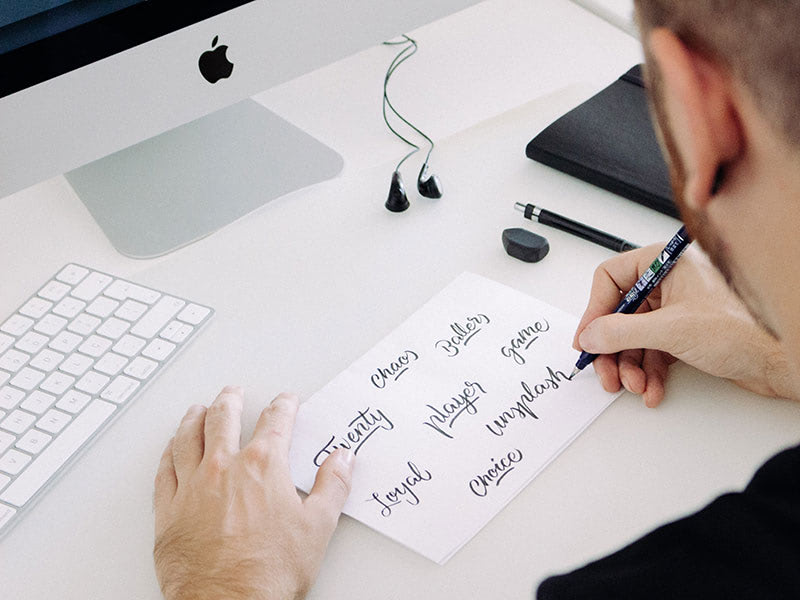
Typography is one of the most powerful yet underestimated tools in branding. While logos, colors, and symbols often receive the most attention, typography quietly shapes how a brand is perceived, remembered, and trusted. Long before a customer reads the meaning of words, they respond to how those words look. In this sense, typography does not merely communicate language; it communicates personality.
At its core, typography gives a brand its voice. Just as tone and body language influence how a spoken message is received, typefaces influence how written messages are interpreted. A bold, geometric typeface may signal confidence and modernity, while a serif font can evoke tradition, authority, and reliability. Script fonts may suggest elegance or intimacy, whereas minimal sans-serif typography often communicates clarity and efficiency. Through these visual cues, typography establishes emotional context before any conscious analysis takes place.
Consistency in typography builds recognition and trust. When a brand uses a coherent typographic system across its website, packaging, advertising, and internal communications, it creates a sense of stability and professionalism. Over time, audiences begin to associate certain typographic styles with the brand itself. Much like a familiar voice, consistent typography reassures customers that they are engaging with the same entity, regardless of platform or medium.
Typography also plays a critical role in differentiation. In crowded markets where products and services often appear similar, the way a brand presents its words can become a distinguishing factor. Two companies may offer comparable value, but the one with a more distinctive and thoughtfully designed typographic identity often feels more credible and memorable. Typography, therefore, becomes a strategic asset, helping brands stand out without relying solely on logos or slogans.
Beyond aesthetics, typography affects usability and clarity. Legible, well-structured type enhances readability, reduces cognitive effort, and improves user experience. Brands that prioritize clear typography signal respect for their audience’s time and attention. In contrast, poorly chosen or inconsistent fonts can create friction, confusion, and even mistrust. In this way, typography directly influences how easily customers can engage with a brand’s message.
Typography also reflects a brand’s values and positioning. A luxury brand may use refined spacing, subtle contrasts, and classic typefaces to convey exclusivity and craftsmanship. A technology startup may favor clean, modern fonts that suggest innovation and forward thinking. Social enterprises may adopt warm, approachable typography to communicate inclusivity and accessibility. Each typographic choice reinforces what the brand stands for and who it is meant to serve.
In conclusion, typography is far more than a design detail; it is a foundational element of brand identity. It shapes perception, builds trust, enhances recognition, and communicates values without words. When used thoughtfully, typography becomes a silent ambassador for the brand—one that speaks consistently, persuasively, and emotionally across every touchpoint.