Address
304 North Cardinal St.
Dorchester Center, MA 02124
Work Hours
Monday to Friday: 7AM - 7PM
Weekend: 10AM - 5PM
Address
304 North Cardinal St.
Dorchester Center, MA 02124
Work Hours
Monday to Friday: 7AM - 7PM
Weekend: 10AM - 5PM

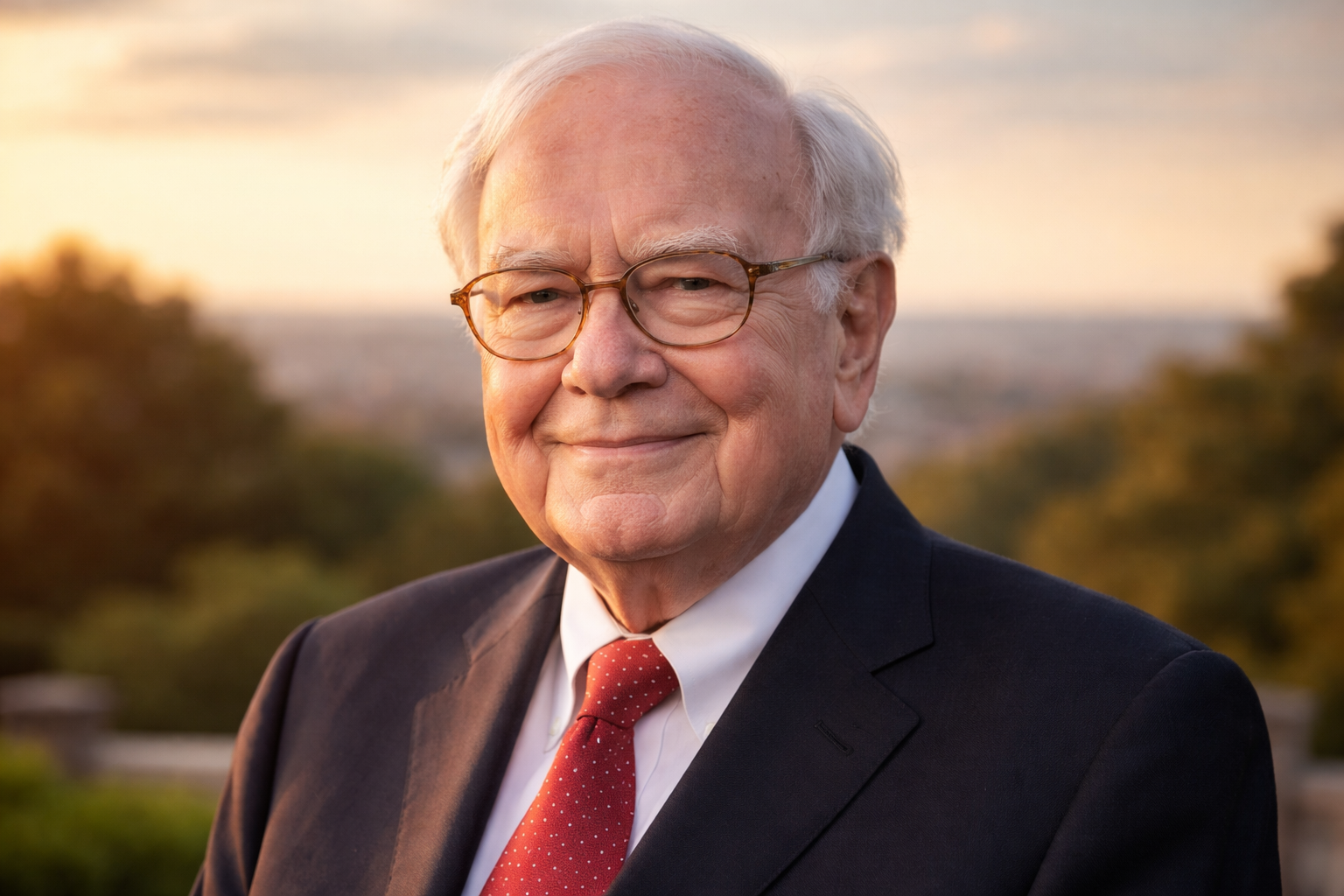
Warren Buffett is often viewed primarily as an investor, but at his core he is a business builder and long-term entrepreneur. Berkshire Hathaway is not a trading vehicle; it is a carefully engineered ecosystem of enduring businesses. For entrepreneurs, Buffett’s philosophy offers lessons that go far beyond stock picking and apply directly to how companies should be started, run, and sustained.
One of the most important lessons Buffett teaches is the power of long-term thinking. While many entrepreneurs chase rapid growth, exits, or trends, Buffett focuses on durability. He builds businesses that can survive decades, not just funding cycles. For an entrepreneur, this means prioritizing sustainable cash flows, loyal customers, and resilient operations over short-term hype. A business designed to last automatically makes better decisions in pricing, hiring, and capital allocation.
Another critical lesson is clarity of business model. Buffett famously invests only in businesses he can understand. He avoids complexity not because he lacks intelligence, but because complexity hides risk. Entrepreneurs can apply this principle by ensuring their value proposition is simple, their revenue model is clear, and their economics are transparent. If a founder cannot explain how the business makes money in one or two sentences, the business is likely fragile.
Buffett also demonstrates exceptional capital discipline. He treats capital as scarce, even when it is abundant. Entrepreneurs often burn cash to buy growth, visibility, or validation. Buffett’s approach teaches founders to ask: Does this use of capital strengthen the business permanently, or merely temporarily? Every dollar should either widen the competitive moat or improve intrinsic value. Spending without durable impact is waste, regardless of how fashionable it looks.
A defining element of Buffett’s success is his obsession with economic moats. He favors businesses with strong brands, cost advantages, switching costs, or network effects. Entrepreneurs should think early about what will protect their business once competitors arrive. Technology, marketing, or pricing alone rarely create lasting moats; trust, habits, and structural advantages do. Designing for defensibility from day one changes how products are built and markets are entered.
Buffett’s leadership style also offers lessons in trust and decentralization. At Berkshire Hathaway, he gives extraordinary autonomy to capable managers and avoids micromanagement. Entrepreneurs often struggle to let go, but scaling requires trust in people and systems. Hiring well, setting clear incentives, and allowing managers to operate independently creates organizations that are both agile and accountable.
Equally important is Buffett’s emphasis on reputation and ethics. He famously states that it takes 20 years to build a reputation and five minutes to destroy it. For entrepreneurs, this is a reminder that integrity is not abstract morality; it is a business asset. Customers, partners, and regulators gravitate toward businesses they trust. Ethical shortcuts may yield short-term gains but often erode long-term value.
Finally, Buffett exemplifies patience and emotional discipline. He resists pressure to act constantly and waits for the right opportunities. Entrepreneurs can learn that not every idea must be pursued, not every deal must be closed, and not every market must be entered immediately. Strategic restraint is often more powerful than constant motion.
In conclusion, Warren Buffett teaches entrepreneurs that great businesses are built through clarity, patience, discipline, and integrity. His approach reminds founders that entrepreneurship is not about speed alone, but about wisdom over time. Those who build with Buffett’s principles may grow more slowly—but they are far more likely to build something that endures.